
Key Points
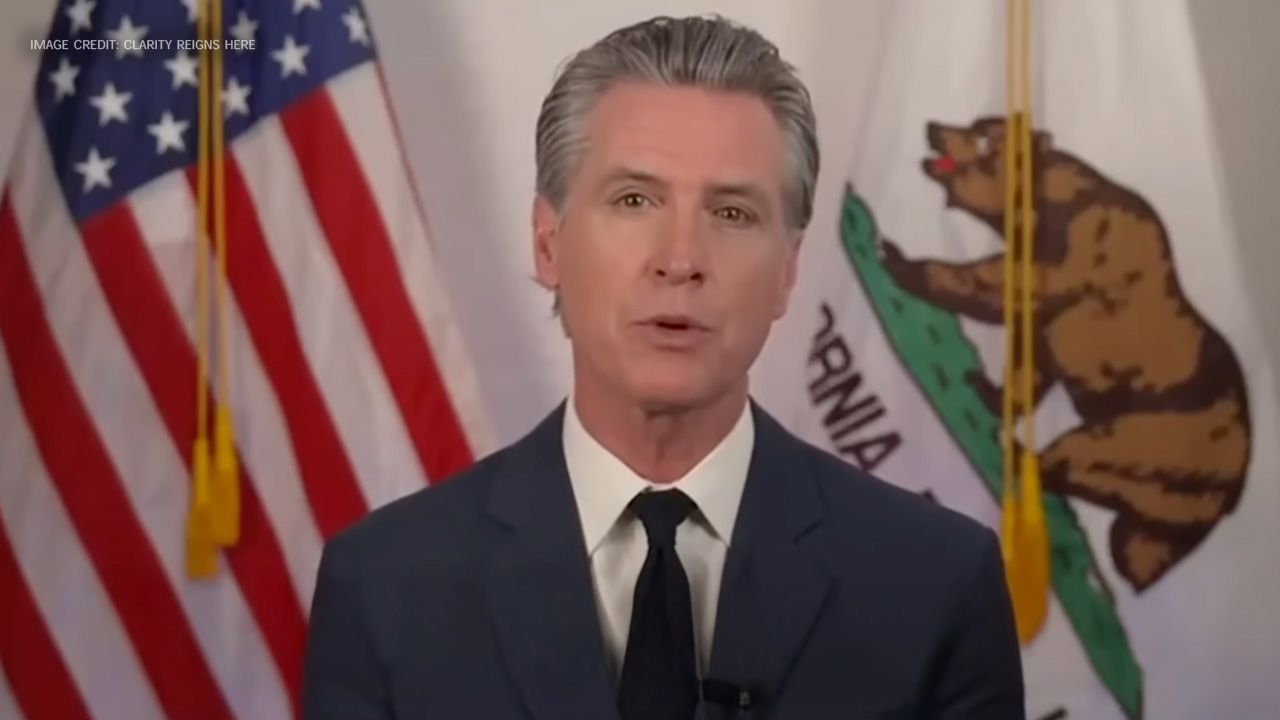
- California Governor Gavin Newsom gains backing from entertainment industry donors for expected White House bid
- Supporters praise Newsom's confrontational approach toward Trump administration policies as essential leadership quality
- Industry figures cite recent state initiatives including film incentives and immigration measures as key factors
Emerging donor enthusiasm
Entertainment executives and producers have begun aligning behind Newsom, viewing him as a strong contender against potential Republican nominees. A top-tier producer described him as embodying the resistance needed, stating the sentiment that has galvanized support. This comes amid Newsom's public criticisms of President Donald Trump's policies, including online confrontations labeling Trump an authoritarian.
He's a fighter, that's what we need! I just wish more Democrats, like Schumer and the leadership in Congress, would emulate him, not take any sh*t from Trump.
Longtime Democratic fundraiser James Costos, former ambassador to Spain, noted strong enthusiasm with significant contributions already pledged. Political consultant Mathew Littman emphasized the importance of early relationship-building in the industry.
Policy achievements highlighted
Supporters point to Newsom's recent actions, such as the No Secret Police Act requiring ICE agents to identify themselves, effective January 1, and the passage of Proposition 50 for independent redistricting. The governor also expanded California's film and TV tax incentive program to $750 million annually, distributing $313 million to television projects in November. These measures have strengthened ties with Hollywood guilds and studios, though relations with tech sectors remain strained over social media regulations.
Enthusiasm by L.A. donors is very strong and very encouraging, big checks are being written.
An agency executive expressed surprise at Newsom's transformation into a combative figure, impressed by his responses to federal actions like National Guard deployments in Los Angeles during 2025 protests.
Broader political context
Newsom's potential bid follows Democratic setbacks in 2024, with party figures seeking a candidate who can appeal nationally. Other possible contenders include Pennsylvania Governor Josh Shapiro, Kentucky Governor Andy Beshear, and Maryland Governor Wes Moore. Civic activist Donna Bojarsky praised Newsom for capturing voter sentiment through bold leadership.
You really have to establish those relationships and start working on them.
Republican perspectives criticize Newsom's governance, pointing to California's challenges with homelessness and high taxes as potential campaign vulnerabilities. Non-partisan polls from organizations like Pew Research Center show mixed national views on California policies.
Challenges and criticisms
Some industry insiders question whether another California Democrat can win over Midwestern voters, referencing Vice President Kamala Harris' 2024 performance. Public comments reflect division, with detractors labeling Newsom ineffective on state issues like runaway film productions. Supporters counter that his fighting spirit aligns with current political needs.
Additional Hollywood donor support includes praise for Newsom's policies. Reports highlight industry enthusiasm for his leadership style. Critics note potential vulnerabilities in national appeal. The fighter narrative resonates among backers. Fundraising efforts feature early commitments from key figures. Analyses discuss post-2024 strategy for Democrats. Supporters cite policy wins like tax incentives. Opposing views question California's model nationally. Recent elections boost party morale. Industry insiders emphasize redistricting victory. Economic concerns factor into donor decisions. Rivals like Shapiro present alternative options. The entertainment sector sees value in Newsom's approach. Public sentiment shows divided opinions. Overall, momentum builds amid ongoing discussions.
As the 2028 cycle approaches, donor alignments may shift based on national developments. Newsom's team continues to engage stakeholders while navigating potential legal and political hurdles.
What considerations might shape donor decisions in the lead-up to the 2028 presidential primaries?
